

Written by Rachael Gilpin, Content Writer
Struggling to sleep in noisy environments can feel like a nightmare, but there are measures you can take to adjust yourself and the volume to help you snooze through the night.
Whether you’re enduring a noisy hotel stay, living near a busy intersection, or bunking with rowdy roommates, a sound sleep may be in your near future.
We’ve collected the best secrets in the industry to help you get some shut-eye. Read through our guide to check out some common causes of sleepless nights, and learn tricks on how to sleep with noise.
The Brain’s Response to Noise
Even if we get plenty of sleep cumulatively, if we’re frequently woken, it doesn’t matter whether we’re deep in REM sleep or just drifting off; these disturbances can significantly impair the quality of our rest. Moreover, when we lose sleep, we risk our productivity, mood, and mental health.
The time you may be most sensitive to disruption is likely to be during the stages of sleep in which you are sleeping lighter, though background noise can wake people up from even deep sleep.
Noise disruption can not only keep you awake, but it can also affect the quality of your rest. Even if you sleep through noisy surroundings, the brain continues to process sound even when unconscious.
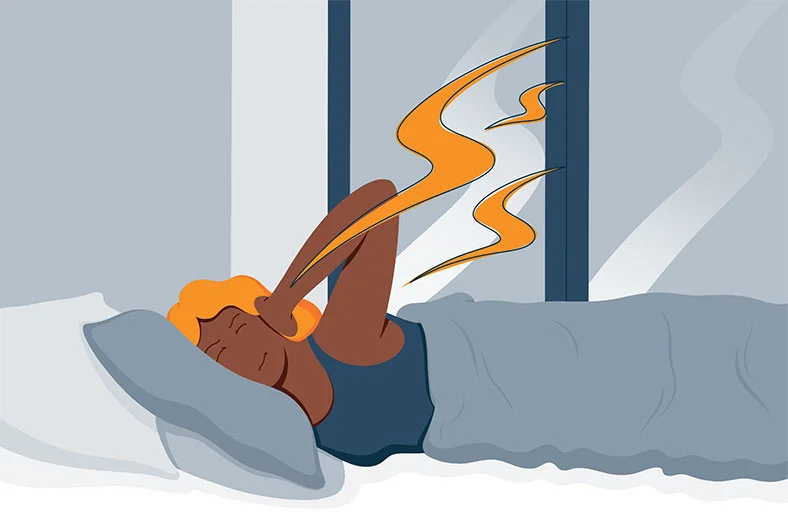
According to the University of Nebraska Medical Center[1], “Even when we’re asleep, our hearing continues to screen sounds efficiently. The brain can decide when to ignore noisy traffic and trains, yet promptly wake you with the ding of the alarm clock.”
How to Sleep Through Noise
Falling asleep when there’s a party next door can ruin your night. Below are a few solutions to help you sleep through the racket.
Earplugs
Earplugs can help in various scenarios, from sleeping on airplanes to dozing through rowdy nights in a crowded European hostel. We recommend the soft, pliable, silicone kind that you can squish inside your ear because they’re fairly sticky yet don’t leave behind an uncomfortable residue.
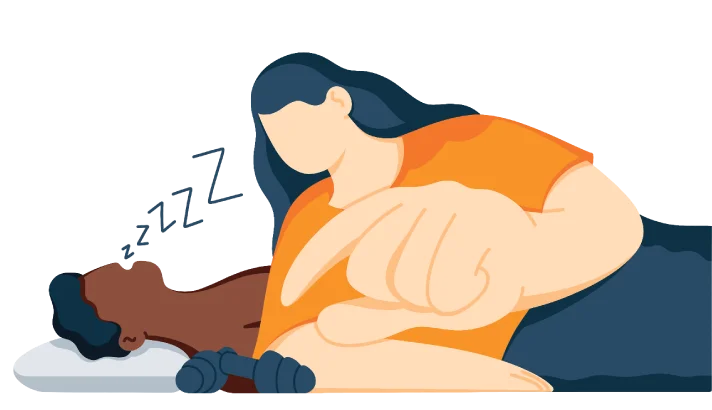
Due to their consistency, they should stay snugly in your ears all night long. In addition, they’re excellent at blocking out loud neighbors (I personally swear by these), so if your roommates set off fireworks in your backyard, you should sleep like a baby without hearing a ding.
View Our Guide: Best Earplugs for Sleeping
White Noise Machine
A white noise machine creates soft ambient sounds that could assist you achieve peace and quiet. For example, the soft whir noise helps sleepers to tune out interruptions and relax into sleep.
Many brands offer devices with a multitude of sounds. Look for a machine that plays sounds that are most soothing to you, like beach sounds, wind, wind chimes, or fans.
Air Conditioner or Fan
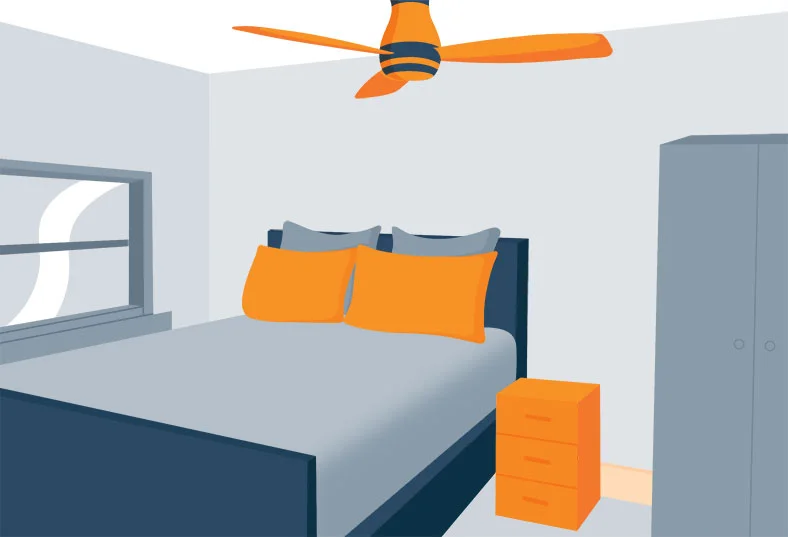
Similar to a white noise machine, the hum of an air conditioning unit can be great to drown out loud noises. By considering how we often don’t notice the hum of a fan or the whir of an air conditioner until it’s switched off, you can understand how our brains stop recognizing the noise from that machine after some time. Not only does the noise make it easier to sleep in regards to sound, but these are great for keeping warm sleepers cool.
Learn More: Best Fans for Sleeping
Distract Your Ears
For those who prefer a more simplistic approach, here are some holistic and low-cost solutions.
Deep Breathing
Deep breathing exercises are frequently recommended for those who struggle to block out clamor without earplugs; it’s also a great way to calm the mind and body. Deep breathing[2] can also help oxygen circulate through the body, lowering pressure, making it easier to fall asleep. Breathe deeply through the nose and out the mouth in rhythmic cycles to aid the calming effects.
Progressive Muscle Relaxation
A technique often used in yoga, this method of progressive muscle relaxation[3] is used to prime the body for rest by reducing physical stress. This works by tensing then relaxing each area of the body, beginning at the head and working your way to your feet. Some people find a visualization helps them to focus on each area, like a ball of light traveling through the body.
Meditation
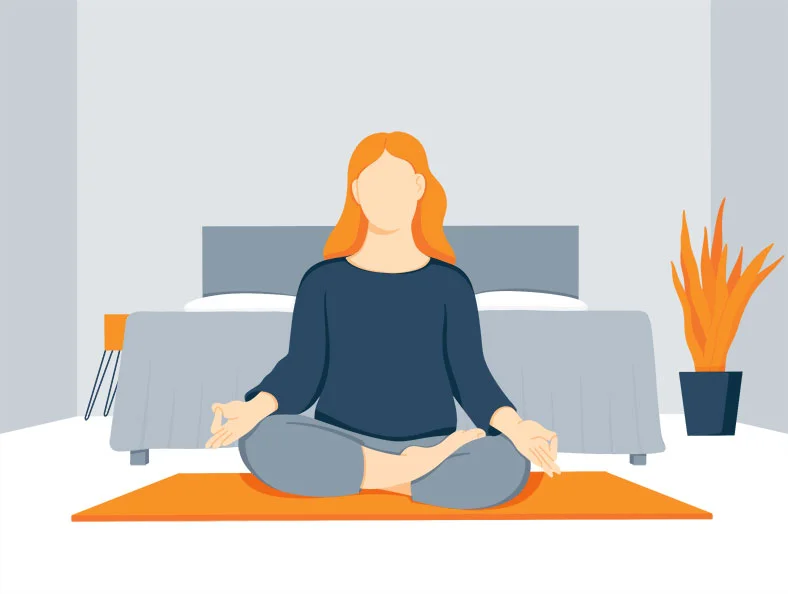
Meditation before sleep would help you level your breath and soothe your mind, helping you ignore any clamor nearby. In addition, research on meditation[4] suggests that it can help lower blood pressure, improve immunity[5], and foster feelings of inner peace. All these effects could lead to a more restful bedtime experience, potentially helping you drift off in even the noisiest of circumstances.
Soft Sounds
With many ears being particularly noise-sensitive, playing on a track featuring soothing music or calming sounds may be just the trick.
Nature
Research suggests that getting outside and spending more time in nature could foster quality sleep. Finding a YouTube channel with relaxing sounds mimicking the great outdoors could help distract your mind and relax you into dreamland.
Music
Music has been shown to have significant effects on our psyches, so much so that it may help you sleep. In addition, research indicates that sedative music[6] can improve sleep quality in a variety of individuals.
Interested in exploring further? Check our guide for best sleep music here.
Exercise Before Bed
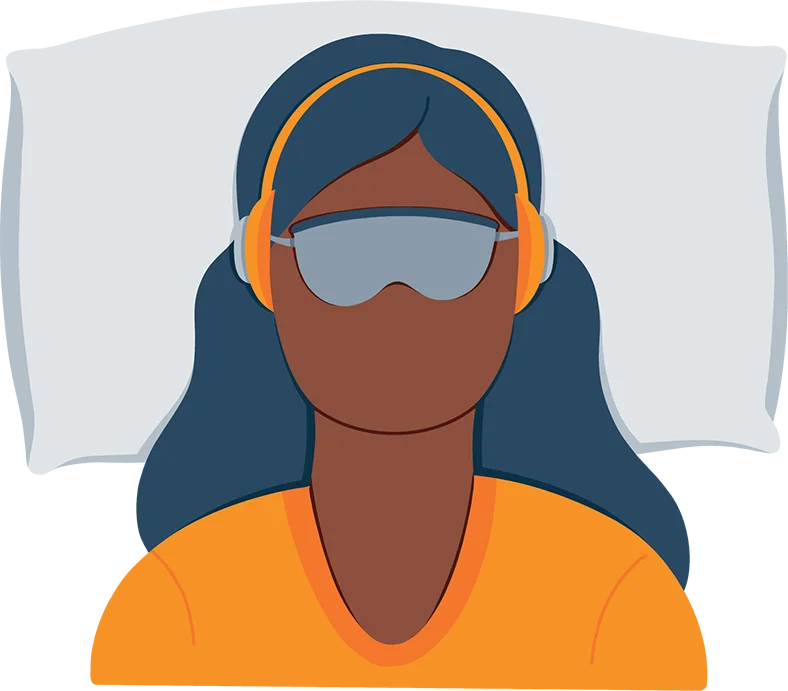
We often sleep better after being physically worn out, so exercising can be a tremendous help when it comes to rest. According to the Cleveland Clinic, exercise decreases[7] sleep complaints and, and the effects of aerobic movement have even been shown to mimic the effects of sleeping medication. However, we advise keeping a two-hour window between activity and bedtime.
Follow a Bedtime Routine
Our minds enjoy regularity, and because our bodies and minds are intimately connected, providing yourself with the routine it craves could assist you fall asleep. In addition, we all have a natural circadian rhythm[8] that is affected by sunlight, so if you’re able to go one step further and sync your days to align more with the sun, you should be able to drift off easier.
Go to the Source and Have a Conversation
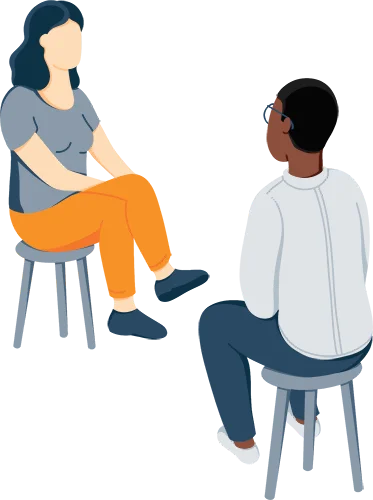
If confrontation makes you nervous, you’re not alone, but broaching the topic with your noise culprit with a polite and friendly attitude might help. In addition, some people lack the awareness to realize how loud they are, so explaining your situation might elicit some empathy and possibly a quieter result.
More Extreme Methods
Strategic Furniture Positioning
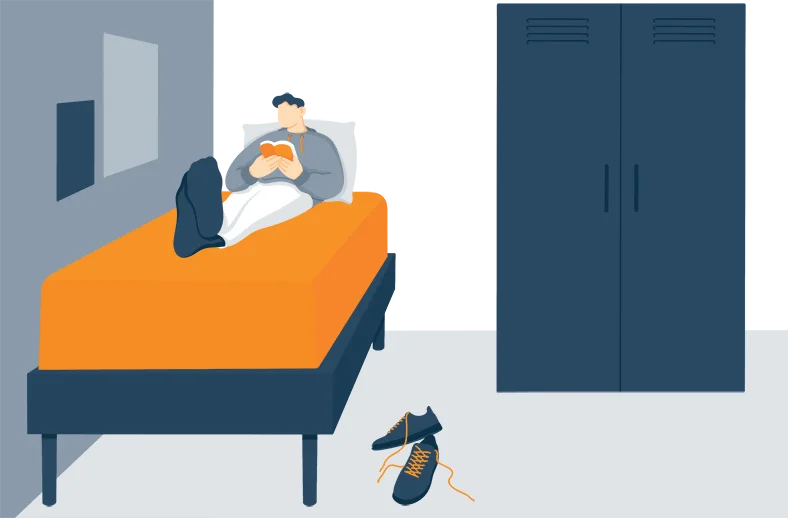
Use padded furniture to create an obstacle between your bed and sound. If necessary, consider moving your bed away from the noisiest areas of your home. For example, place your mattress in a quiet corner or closer to the door if your wall borders a noisy person’s room, so you may be able to fall asleep even with loud roommates.
Use Blockers to Drown Out Noise
According to the Washington Post[9] planting shrubbery along the outside of your home could be a great way to reduce sonic pollution from local traffic. Further, certain household objects like pillows, blankets, or towels could help absorb noise when placed strategically as well.
Insulate Your Room
Rooms with lots of hardwood or solid surfaces reverberate noise instead of absorbing it, so adding some plush fabrics to your room can help. Shag rugs, plush wall tapestries, and thick blackout curtains could help. Further, adding material under the small space of your door, like cork, can help catch and absorb sound before it reaches your ears.
Special Tips for Travelers
Request a Quiet Room
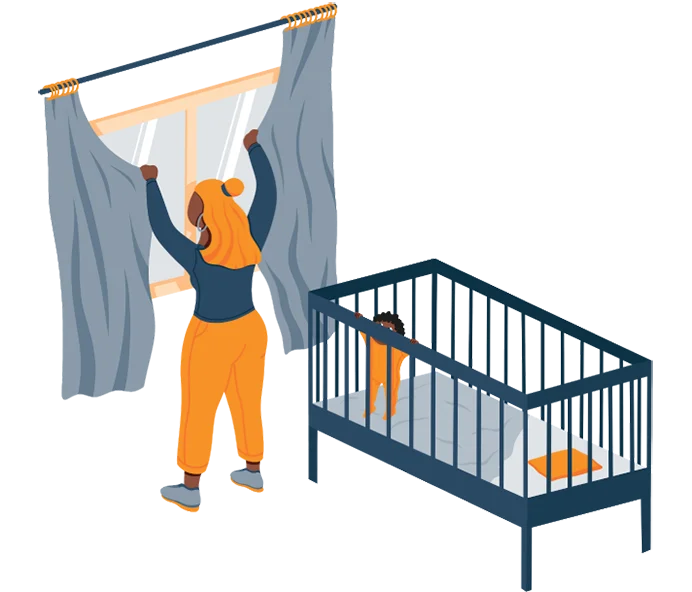
If you are traveling and know that you may be sensitive to noise from other travelers, try requesting a quiet room ahead of your hotel stay. Ask the clerk whether or not a room is far away from common areas like the lobby or elevators. Being in the business of hospitality, they’ll likely be happy to accommodate your request.
Read Online Reviews
Before you book your stay, do some research and find out if others suffered from noise pollution at the location you’re considering. Unhappy customers often leave reviews warning other guests about their experience, which could save you from restless, noisy nights.
FAQs
How can I reduce traffic noise?
Blocking street noise with shelves, thick curtains, or window sealant might help eliminate sleep disruptions. White noise machines or music playlists could distract from the disruptive sounds so you can focus on more soothing noises as well. Further, shrubbery has been known to be excellent in drowning out disturbances, so planting some greenery outside or inside your home could alleviate the issue.
If the tricks above don’t work, silicone earplugs can work wonders. However, be cautious about using them properly so you don’t damage your ears.
Sources and References:
- [1] Michael Huckabee, Ph.D., “5 Things You Didn’t Know about Your Ears”, University of Nebraska Medical Center, June 11, 2013.
- [2] Ravinder Jerath, et al., “Self-Regulation of Breathing as an Adjunctive Treatment of Insomnia”, Frontiers in Psychiatry, January 29, 2019.
- [3] “Insomnia: Relaxation Techniques and Sleeping Habits”, Informed Health, U.S. National Library of Medicine, March 9, 2017.
- [4] Allison Aubrey, “To Lower Blood Pressure, Open up and Say ‘Om’”, NPR, August 21, 2008.
- [5] David S Black, George M Slavich, “Mindfulness Meditation and the Immune System: A Systematic Review of Randomized Controlled Trials”, Annals of the New York Academy of Sciences, U.S. National Library of Medicine, June 2016.
- [6] “Music Improves Sleep Quality in Older Adults”, Journal of Advanced Nursing, U.S. National Library of Medicine
- [7] “How Exercise Affects Your Sleep”, Cleveland Clinic, Nov 10, 2020.
- [8] “Circadian Rhythms”, National Institute of General Medical Sciences, September 2023.
- [9] Joel M. Lerner, “A Good Wall, Even If It’s Made of Plants, Can Reduce Highway Noise”, The Washington Post, WP Company, March 12, 2005.

Rachael Gilpin
Content Writer
About Author
Rachael is a content writer for Sleep Advisor who loves combining her enthusiasm for writing and wellness.
Back Sleeper