

Written by Jill Zwarensteyn, Editor
Even on the best of days, your toddler could have a meltdown or ground-pounding temper tantrum. They don’t call them the “terrible twos” for nothing.
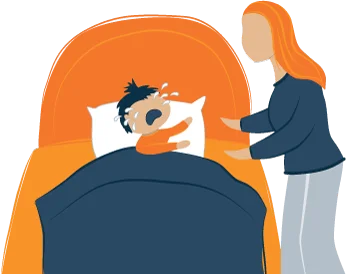
To add to the drama, if your little one has decided that he doesn’t want to be alone in his bedroom, the resulting sleep deprivation (for you and your toddler) can make the situation even worse.
Wondering how to get your toddler to sleep in their own bed? Have you developed some bad habits that you’re worried may be impossible to break? We’ve got some parent-tested and toddler-approved strategies that should allow the entire family to get some much-needed rest!
What are Toddler Sleep Associations?
There’s a difference between a sleep association and a bedtime routine. A bedtime routine can be a healthy way to prepare your toddler for bed. It might include a bath, a bedtime story (or three), brushing their teeth, dimming the lights, tucking them in, and some extra kisses.
Toddler sleep associations, on the other hand, are more like a crutch as they are learned behaviors that your little one requires to fall asleep.
It could be nursing, drinking a bottle, being rocked, or falling asleep in your bedroom (and your bed). While these habits might be okay, and even healthy, during the baby’s first few months, they can quickly spiral out of control.
Instead of developing healthy sleeping habits that include falling asleep when they’re drowsy and self-soothing when they wake up, toddlers with these associations may fuss and protest if they don’t get their preferred activity when it comes time to put them to bed.
When is Co-Sleeping Healthy?
Co-sleeping is considered a natural and healthy way of sleeping during a baby’s infancy. To clarify, the recommended method of co-sleeping is having the baby in the same room as mom and dad, either in a crib or bassinet next to the bed or adjoining it. Pediatricians caution against having an infant in bed with you due to suffocation and rolling hazards.
Learn More: Safe Co-Sleeping Guide
Co-sleeping can be a healthy way to bond with your little one and be attentive to their waking needs, but it’s also crucial to keep your baby’s sleep needs in mind. They should be going to bed much earlier than an adult, and co-sleeping could compromise their sleep schedule. Toddlers typically don’t need quite as much rest as infants (on average about 13 hours), but it’s probably a good idea to transition them to their own bedroom as they approach toddlerhood.
Another reason to focus on getting your toddler to sleep in their own bed is to prevent the unhealthy sleep association that can cause them to require being in your bedroom to fall asleep. The sooner you can break this association better. Otherwise, it could continue for much longer than planned.
Fixing Negative Sleep Associations
While it might seem easier to give in to your toddler, especially during a particular noisy screaming session, it’s better to establish who’s in charge now. This means setting boundaries about acceptable behavior and setting rules to follow. Make sure that everyone in the house, especially your partner, is on board and consistently enforces the rules.
Having a bedtime routine that you design is a crucial first step. In this step, it can be beneficial to let your little one make choices in regards to the bedtime story or their pajamas. That way, they may be more compliant as they get to feel like they’re a part of something and have some control over their own outcomes.
Learn More: Parents Guide to Childs Sleep
Getting Your Toddler to Sleep in Their Own Bed
Before Bedtime
Before you can send your child to their own bed, they typically need to understand what’s going on and why. In toddler-friendly language, explain that parents and kids each have their own bedrooms for sleeping. By making your expectations clear, you can forge the path to cooperation.
From there, a bedtime routine helps. It could be a bath with lavender-scented essential oils, an oral-hygiene routine, and, of course, story time. It helps to let your toddler have some control over the routine to help them buy into it more and view bedtime as more of a fun or team-like activity.
It’s also a good idea to let your child choose the bedding, pillows, and stuffed animals as it gives them a sense of connection to their sleeping environment.
After Lights-Out
Lights out is the hardest part of the night. Expect tears and tantrums for the first few nights—even weeks—and resist the temptation to bargain with your toddler. Backtracking not only delays the sleep training process but it also sets a dangerous precedent because children tend to figure out what buttons to push to manipulate you so that they can get their way.
Listen to their fears, anxieties, and concerns, and address them with positive words and actions. For example, if your little one cries because she’s scared of the dark or that you’re leaving the room, tell her that you’ll be right down the hall and consider leaving the door open a crack or having a nightlight on in the room.
If your child can get out of bed, it’s not unusual for them to come into your bedroom in the middle of the night. At this point, calmly and without drama or frustration return them to their own bedroom. No matter how many times they try this technique, simply return them to their bed, and eventually, they should get the message; it just might take a few extra times than you had anticipated.
The Next Morning
In the morning, evaluate how you and your little one adapted to the routine. If it didn’t go so well, gently remind your toddler that today is a new day and you can try again to be a “big kid.” If things did go well, offer plenty of praise and even implement a reward system of stickers or small prizes as a powerful incentive.
Other Helpful Tips
Communicate
You are likely to get better results if you explain the new sleeping regime in advance before the crocodile tears begin. Try using the word “because” to string your argument together. For example, “You’re going to sleep in your own bed from now on because that’s what big kids do.”
Acknowledge Your Child’s Fears and Anxieties
Try not to be too quick to dismiss your child’s fears and anxieties. They could be worried about monsters, being alone, loud noises, or even nightmares. Get to the heart of what’s bothering them and address it with them so that they feel safe.
In the case of fear of monsters, you have a couple of options. Some parents advocate humoring their little ones and creating “monster sprays” that ward off monsters or talking to the monsters and telling them to go away.
Other parenting experts say to never acknowledge the existence of monsters and, instead, reassure your child that nothing is there. Remind your child that you’re in the home, not far away, and you’ll see them first thing in the morning.
Need help? Check out our guide on how to ease a nightmare in toddlers.
Provide Extra Comfort and Affection
If the only quality time and cuddling your toddler gets with you is right before bed, it’s no wonder they might want to extend that time all night long. As you transition your child into their own bedroom, make sure you set aside extra time for love and cuddles. It could be before bed or at another time throughout the day.
Offer Rewards
One effective strategy is to have a calendar and put a star on each day that your child slept in her own room. Offer small prizes like stickers, a trip to the park, or an inexpensive toy for each successful night. After a series of consecutive successes, offer a more substantial reward.
Right Timing
While delaying sleep training is rarely advised, there are exceptions. If you’ve just moved, started potty training, there’s a baby on the way, or there’s another disruptive life circumstance you’re dealing with, then it might be wise to hold off on establishing a new routine until the dust has settled.
Frequently Asked Questions
What age should you start to train them?
There is no right or wrong answer as it depends on you and your child. While the American Academy of Pediatrics recommends sleeping in the same room as your baby for the first year (or at least the first six months), they do not offer any guidelines when it comes to the age at which toddlers should be sleeping in their own bed (or room).
One study did find that waiting until a toddler is three to start the transition from crib to toddler bed led to more success because the child is developmentally old enough to accept this change. For many families, this is also the age that children begin to understand boundaries and can start sleeping independently. Keep in mind that the right age will depend on your child, and it’s never too early to start establishing healthy bedtime routines.
How can I get them to sleep in their room at night?
One of the most effective strategies to implement first is having a bedtime routine where your child gets some say in planning. That means letting them pick the bedtime stories or their pajamas. From there, make sure your little one feels safe in their bedroom.
You may need to add a nightlight, leave the door open a crack, and assure them that there’s no monster hiding under the bed (even if you have to get on your hands and knees and check).
If your little one makes a fuss or tries to come into your bedroom, stay firm in your resolution for your toddler to sleep in their own bed. Return them to their bedroom calmly and without any tears, anger, frustration, or desperation on your part. Remember, you’re in control, even if you don’t always feel like it.
What are the negative effects of older children sleeping with parents?
Some parents justify that it’s okay for their three, four, or five-year-old to sleep in their marital bed. They justify the behavior by saying that eventually the child will outgrow the habit. However, a surprising number of older children between the ages of 8 to 12 continue to sleep with their parents.
Not only can this put a strain on a marriage but it can cause difficulty for the child as well. It can prevent them from living a “normal” life because they may not feel comfortable going to sleepovers or class trips.
Another dire consequence of older kids co-sleeping with parents is the sleep deprivation that can be associated with having another partner in bed, especially if there are two parents along with the child.
What to do if the child is afraid and refuses to sleep alone?
Even if your child’s fears seem unfounded or ridiculous to you, they’re very real to your child and should not be dismissed. If your child is afraid of monsters, you can choose to go along with the game and create potions, spells, and barricades that keep the monsters at bay. Some parents even go as far as to invite the monsters out of the room while other parents prefer to educate their children that monsters aren’t real and inspect closets to prove it.
Children that are afraid of the dark or being left alone can usually be calmed with a nightlight or by leaving the door open a crack. It can go a long way to find out what’s bothering your child and work to find a solution that makes them feel safe.
Conclusion
The sleep training process during toddlerhood is not an easy one. Toddlers can be strong-willed, manipulative, and skilled negotiators. Though it might not always seem like it, you’re in charge of this situation and, with some patience, clear boundaries and a fun reward system in place, there’s nothing you can’t handle.
Sources and References:
- Sleep Problems in Children – https://www.webmd.com/sleep-disorders/children-sleep-problems
- Toddlers: Trouble Falling Asleep – https://www.berkeleyparentsnetwork.org/advice/sleep/helping
More Reading:
Jill Zwarensteyn
Editor
About Author
Jill Zwarensteyn is the Editor for Sleep Advisor and a Certified Sleep Science Coach. She is enthusiastic about providing helpful and engaging information on all things sleep and wellness.
Combination Sleeper